Photo by Pexels
Moving into your first student accommodation is an exciting milestone, but it also comes with real responsibilities — especially when it comes to your safety. Every year, students across Zambia move into rentals without properly evaluating whether the property is safe to live in. From faulty wiring to missing smoke detectors and unsecured doors, the risks of overlooking safety are far too significant to ignore.
This comprehensive guide will walk you through everything you need to inspect before signing a lease or handing over a deposit. Whether you are searching for a boarding house near Northrise University, the University of Zambia, or the Copperbelt University, these safety principles apply everywhere.
Why Safety Should Be Your Top Priority
It is tempting to focus on price, proximity to campus, or how modern the furniture looks. But none of that matters if the property puts your health or life at risk. A cheap rental with exposed wiring, a missing fire extinguisher, or flimsy door locks can turn into a nightmare. Before falling in love with the look of a place, ensure you have thoroughly checked its safety credentials.
According to safety experts, most housing-related incidents — including fires, break-ins, and electrical accidents — are preventable. The key is knowing exactly what to look for during a property viewing.
Essential Safety Features to Check
When viewing a property, always inspect these critical safety features. Go through each one methodically and do not let a landlord rush you through the viewing:
Ensure there are working smoke detectors on every floor and in or near the kitchen. Press the test button during your viewing to confirm they are functional. Battery-powered detectors should have fresh batteries, and hardwired ones should show a green indicator light. If there are no smoke detectors at all, consider this a serious red flag.
Check for accessible fire extinguishers in the kitchen and common areas. They should be wall-mounted, within their expiry date, and not blocked by furniture or clutter. Ask the landlord when they were last serviced. In shared houses, there should be at least one extinguisher per floor.
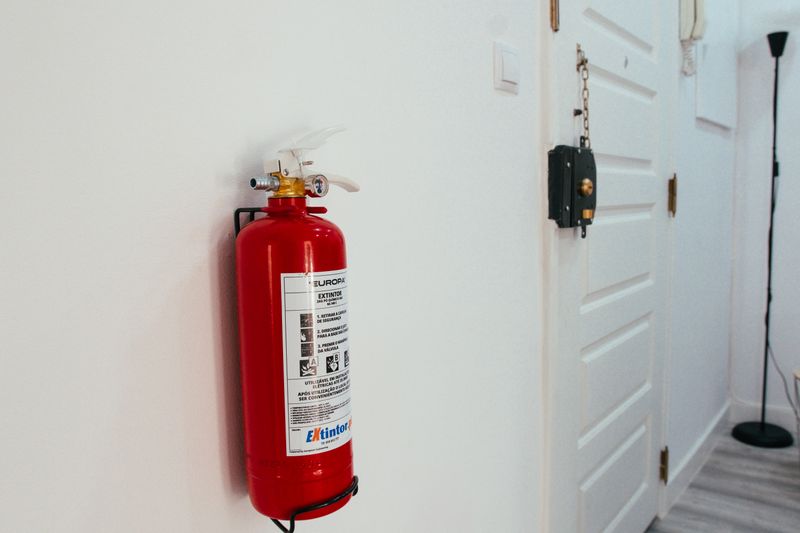
Photo by Pexels
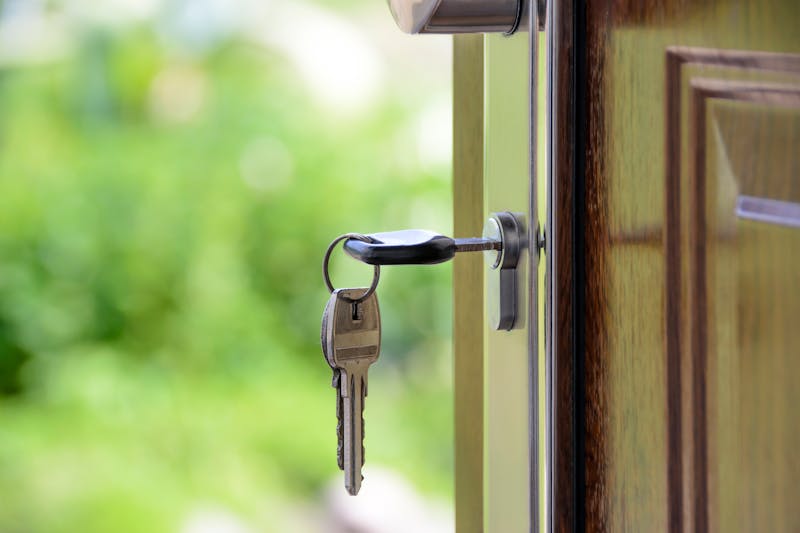
All exterior doors should have deadbolt locks, and windows — especially on the ground floor — should have functional latches or key locks. Ask the landlord who else has copies of the keys. If previous tenants were not required to return keys, request that the locks be changed before you move in.
Identify at least two emergency exit routes from your room and from the building. In multi-storey properties, check that stairwells are clear of furniture and debris. Emergency exit signs should be visible, and doors must open easily from the inside without a key.
Look for exposed wiring, cracked wall sockets, scorch marks near outlets, overloaded extension cords, or outdated fuse boxes. Test light switches in every room. If the property still uses an old-style fuse board rather than a modern circuit breaker panel, proceed with extreme caution.
If the property uses a gas water heater or stove, check for proper ventilation. Gas appliances should be serviced annually, and there should be a carbon monoxide detector nearby. Ask the landlord for service records and certificates.
Inspect walls, ceilings, and floors for cracks, water stains, or sagging. Significant cracks (wider than a coin) in walls could indicate structural problems. Check that staircases have sturdy handrails and that balconies have secure railings at the correct height.
Neighbourhood Safety Considerations
Your safety extends well beyond the walls of your room. The neighbourhood you choose to live in plays an equally important role in your day-to-day security and peace of mind.
- Visit at different times: Walk around the area during the day, in the evening, and at night. A neighbourhood that feels safe at noon might feel very different after dark. Pay attention to street lighting, pedestrian traffic, and general upkeep.
- Check street lighting: Well-lit streets deter crime. If the walk from the nearest bus stop to your door is poorly lit, that is a concern worth raising — especially if you have late classes or study sessions.
- Research local crime statistics: Talk to neighbours, other students, or local shop owners about safety in the area. Online community groups can also give you honest insights into recent incidents.
- Proximity to campus security: Living closer to your university means quicker access to campus security in case of emergencies. Some universities offer escort services for students walking home after dark.
- Secure parking: If you own a vehicle or bicycle, ensure the property offers secure parking or a lockable storage space.
- Flood risk: In some parts of Zambia, certain neighbourhoods are prone to flooding during the rainy season. Ask locals about drainage issues and whether the property has experienced flooding before.
Questions to Ask Your Landlord
A good landlord will welcome safety questions — they show that you are a responsible tenant. If a landlord becomes evasive or dismissive when you raise safety concerns, treat that as a warning sign. Here are the most important questions to ask:
- When were the smoke detectors last tested or replaced? Detectors typically need replacing every 10 years, with batteries changed annually.
- Is the property registered with the local council? Registered properties are more likely to meet minimum safety standards.
- What security measures are in place? This includes perimeter walls, security guards, CCTV cameras, and security lighting.
- How quickly are maintenance issues addressed? A landlord who takes weeks to fix a broken lock is not one you want to rely on.
- Is there a 24-hour emergency contact number? You need to know who to call if a pipe bursts at midnight or if there is a security incident.
- When was the electrical system last inspected? Electrical inspections should be done at least every five years.
- Are there any known issues with the property? Honest landlords will disclose problems like damp, pest issues, or planned construction nearby.
"A safe home is the foundation for academic success. Never compromise on safety for the sake of lower rent. The money you save is not worth the risks you take."
Red Flags to Watch Out For
Spotting warning signs early can save you from a dangerous or frustrating living situation. Be cautious if you notice any of these red flags during your property search:
- Landlord reluctant to show certain areas: If a landlord blocks access to rooms, the roof space, or the electrical panel, they may be hiding problems.
- Missing or disconnected safety equipment: Smoke detectors with dead batteries, removed fire extinguishers, or taped-over alarms are all serious concerns.
- Signs of mould, damp, or structural damage: Black spots on walls, peeling paint, musty smells, and water stains on ceilings all indicate moisture problems that can affect your health.
- Lack of proper documentation: A legitimate landlord should be able to provide a written lease, receipts for deposits, and evidence of property registration.
- Pressure to sign immediately: Phrases like "someone else is about to take it" are often used to rush you into a decision. A good property will still be available after you have taken time to think.
- DIY electrical or plumbing work: Unprofessional modifications — like exposed junction boxes, mismatched pipes, or extension cords used as permanent wiring — are dangerous.
- No written inventory: Without a documented inventory at move-in, you could be blamed for pre-existing damage.
What to Do in an Emergency
Even in the safest property, emergencies can happen. Being prepared can make the difference between a manageable situation and a disaster:
- Know your exits: On your first night, walk each escape route so you can navigate them in the dark or in smoke.
- Save emergency numbers: Programme the local fire department, police, ambulance, campus security, and your landlord's emergency number into your phone.
- Have a basic first aid kit: Keep plasters, antiseptic, pain relief, and bandages in your room.
- Keep a torch handy: Power cuts are common in many parts of Zambia. A rechargeable torch by your bed is essential.
- Tell someone your address: Make sure a family member or close friend knows exactly where you live and how to reach you.
Your safety is not something to compromise on. By following this checklist and trusting your instincts, you can find a student home that is not only comfortable and affordable but genuinely safe. All properties listed on UniHouse go through our verification process to ensure they meet basic safety standards, giving you peace of mind when searching for your next home.
Ready to Find Safe Student Housing?
Browse our verified properties and find accommodation that meets your safety standards.
Browse Properties